“HUNTER”
  “PHOENIX”
  “CHARIOT”
  “SPARTAN”
  “SCOUT”
  “VIPER”
  “BLACK OPS”

How Construction Theft Became a Hidden Cost for Mississippi Contractors
Construction Crime Trends in Mississippi
Mississippi’s construction growth—driven by industrial expansion, port redevelopment, and ongoing storm recovery—has coincided with rising theft from job sites. From the Gulf Coast to central and northern regions, contractors face persistent losses of generators, copper, and fuel. The National Insurance Crime Bureau ranks Mississippi among the southern states with elevated construction equipment theft, particularly following severe weather events that disrupt normal security coverage.
With major projects clustered along I-10, I-20, and the Gulfport–Biloxi coastal corridor, heavy equipment and materials often remain exposed overnight. Remote energy and infrastructure builds farther north experience similar challenges, where distance and limited lighting increase risk. Delays in detecting losses compound cost for contractors already navigating tight project schedules and insurance hurdles.
Why Is Construction Theft Growing in Mississippi?
Mississippi’s expanding industrial economy—spanning oil, logistics, and power infrastructure—relies on temporary staging zones and outdoor equipment yards. After major storms or floods, construction crews mobilize rapidly, leaving materials unguarded while responding to emergency rebuild schedules. Thieves exploit these windows of vulnerability, targeting sites that lack cameras or power during early recovery phases.
Rising demand for diesel and scrap metal increases incentive statewide. Even smaller, opportunistic thefts can halt project progress in areas where replacement parts must ship from regional hubs like Mobile or Baton Rouge.
Key Factors Behind Mississippi’s Theft Problem
- Frequent hurricane and storm-recovery operations
- Remote energy and highway construction with no power
- Strong resale demand for copper and diesel fuel
- Unlit storage yards near interstates and ports
- Slow post-storm response and law-enforcement coverage
Which Regions Face the Highest Risk?
The Gulf Coast region—including Gulfport, Biloxi, and Pascagoula—accounts for most reported theft due to continuous port and refinery construction. Central Mississippi projects near Jackson see equipment and fuel theft from infrastructure sites, while western regions near Vicksburg experience losses tied to river and highway work. Northern Mississippi, along the I-55 and I-22 corridors, faces periodic tool and copper theft from manufacturing builds.
Regional Overview
- Gulf Coast – generator and diesel theft from port and energy projects
- Jackson metro – copper and trailer theft from highway construction
- Vicksburg region – equipment theft near levee and river infrastructure
- Northern Mississippi – small tool theft from manufacturing builds
What Equipment and Materials Are Most Targeted?
Portable generators, copper wiring, and diesel tanks top Mississippi’s theft lists. Tools and compressors stored in unsecured trailers also draw frequent attention. Losses tend to spike after hurricanes, when project staging areas are reestablished quickly and personnel are focused on recovery rather than security.
Frequent Targets and Recommended Surveillance
| Asset | Threat | Recommended Surveillance |
|---|---|---|
| Portable generators | Towed or removed overnight | PTZ camera with 360° AI motion detection |
| Copper wiring | Cut and stripped for resale | Thermal camera with line-breach analytics |
| Fuel tanks | Siphoning and container theft | Fixed camera with lighting deterrent |
| Tool trailers | Forced entry during recovery phases | AI breach detection focused on gate access |
How Can Contractors Protect Sites Without Power?
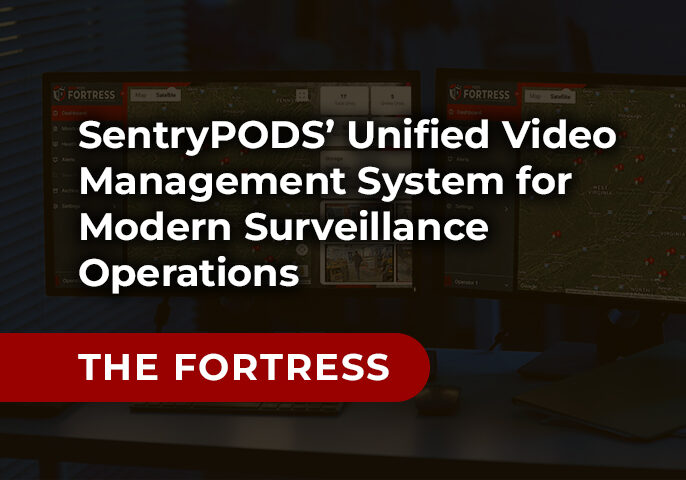
Mississippi’s coastal and rural projects often operate off-grid. SentryPODS units provide autonomous surveillance using solar-battery systems that remain active through extended outages. Each unit offers 360° PTZ visibility and AI detection accessible in real time via The Fortress VMS. With no trenching or wiring, contractors can deploy surveillance in minutes—an advantage during fast-moving rebuild operations.
These units continue recording through rain, humidity, and debris-filled environments, giving reliable coverage when infrastructure is unstable or temporary.
Advantages for Mississippi Conditions
- Solar-battery systems ideal for storm-affected areas
- AI analytics that filter rain and motion noise
- Two-way audio to deter intruders in real time
- GPS-tagged video evidence for claims and police use
- Redeployment flexibility for new project phases
Why Is AI Detection Critical for the Gulf Coast?
Mississippi’s coastal humidity, reflective surfaces, and unpredictable weather make traditional motion sensors unreliable. AI detection distinguishes legitimate intrusion from false triggers caused by wind, rain, or lighting fluctuations. Virtual line-breach zones allow contractors to define monitored areas—fuel yards, trailers, or gates—and receive verified alerts only when boundaries are crossed.
This precision reduces wasted responses and ensures that alerts represent actual activity, not weather interference.
Operational Benefits
- Minimized false alarms from storm debris or headlights
- Faster alert verification and response coordination
- Digitally archived evidence with GPS tracking
When Does Construction Theft Occur Most Often?
Theft spikes in Mississippi between 9 p.m. and 4 a.m., especially during post-storm recovery when normal oversight is disrupted. Weekends and major holiday periods see additional losses, as unattended staging areas accumulate new materials awaiting rebuild crews. Urban sites face steady theft through the year, while coastal and rural regions peak after hurricane season.
Timing-Based Prevention Tips
- Arm AI detection zones nightly before shift closure
- Reposition towers weekly to prevent scouting
- Use visible strobe deterrents during off-hours
- Maintain alert logs for recurring pattern analysis
How Should Contractors Handle Evidence?
The Fortress VMS embeds timestamps, GPS coordinates, and device identifiers into every recording, preserving admissible chain of custody. Cloud storage ensures access even when hardware is damaged by storms. Contractors can export incident footage instantly for law-enforcement or insurance documentation.
Evidence Management Guidelines
- Export verified clips within 24 hours
- Maintain 90-day archive retention
- Log incidents by date, project, and asset type
What Surveillance Layout Works Best for Mississippi Sites?
Coastal and industrial projects benefit from one central PTZ tower for panoramic coverage, supported by fixed cameras at gates and fuel storage zones. LPR cameras positioned along I-10 or port entrances capture vehicle movement for theft investigations. Elevated mounting prevents flood or debris obstruction during severe weather.
Recommended Configuration Summary
- 1 PTZ camera covering full staging area
- 2–3 fixed cameras for gates and storage
- LPR camera at main access route
- Audio horn tied to AI breach events
- Solar array with five-day power reserve
Can Mississippi Contractors Reduce Construction Theft?
Yes. By deploying mobile, solar-powered surveillance with AI detection, Mississippi contractors gain reliable protection across both coastal and inland projects. Real-time alerts, remote visibility, and documented video evidence shorten response time and deter repeat theft. In a state defined by weather extremes and rebuild cycles, autonomous monitoring is essential for long-term security and project stability.
Explore construction site camera systems and wire-free monitoring options tailored for Mississippi’s industrial and storm-prone construction environments.
Construction Crime Trends Across The USA
- Alabama Construction Crime Trends
- Alaska Construction Crime Trends
- Arizona Construction Crime Trends
- Arkansas Construction Crime Trends
- California Construction Crime Trends
- Colorado Construction Crime Trends
- Connecticut Construction Crime Trends
- Delaware Construction Crime Trends
- Florida Construction Crime Trends
- Georgia Construction Crime Trends
- Hawaii Construction Crime Trends
- Idaho Construction Crime Trends
- Illinois Construction Crime Trends
- Indiana Construction Crime Trends
- Iowa Construction Crime Trends
- Kansas Construction Crime Trends
- Kentucky Construction Crime Trends
- Louisiana Construction Crime Trends
- Maine Construction Crime Trends
- Maryland Construction Crime Trends
- Massachusetts Construction Crime Trends
- Michigan Construction Crime Trends
- Minnesota Construction Crime Trends
- Mississippi Construction Crime Trends
- Missouri Construction Crime Trends
- Montana Construction Crime Trends
- Nebraska Construction Crime Trends
- Nevada Construction Crime Trends
- New Hampshire Construction Crime Trends
- New Jersey Construction Crime Trends
- New Mexico Construction Crime Trends
- New York Construction Crime Trends
- North Carolina Construction Crime Trends
- North Dakota Construction Crime Trends
- Ohio Construction Crime Trends
- Oklahoma Construction Crime Trends
- Oregon Construction Crime Trends
- Pennsylvania Construction Crime Trends
- Rhode Island Construction Crime Trends
- South Carolina Construction Crime Trends
- South Dakota Construction Crime Trends
- Tennessee Construction Crime Trends
- Texas Construction Crime Trends
- Utah Construction Crime Trends
- Vermont Construction Crime Trends
- Virginia Construction Crime Trends
- Washington Construction Crime Trends
- West Virginia Construction Crime Trends
- Wisconsin Construction Crime Trends
- Wyoming Construction Crime Trends