How Florida’s Rebuild Projects Are Driving Up Construction Site Crime
Construction Crime Trends in Florida
Florida’s construction boom—fueled by coastal development and ongoing hurricane recovery—has also brought a sharp increase in job site theft. From Miami’s dense urban projects to rebuilding efforts along the Gulf Coast, contractors face mounting losses of copper, tools, and fuel. According to the National Insurance Crime Bureau, Florida consistently ranks among the top U.S. states for construction equipment theft by total claims, a reflection of both the state’s massive project volume and its complex logistics network.
Unlike theft in isolated rural states, Florida’s incidents often occur in populated zones where thieves can move stolen goods quickly via I-95, I-75, and I-10. Active ports and scrapyards make resale easy, while extended storm recovery projects leave materials and generators exposed for weeks at a time. For contractors, the challenge is maintaining visibility across multiple temporary, unpowered sites vulnerable to both professional and opportunistic theft.
Why Is Construction Theft Growing Across Florida?
Florida’s year-round building climate means more equipment stays deployed outdoors for longer periods. Rebuilding after hurricanes and floods introduces additional risk—temporary staging areas, mobile housing, and open laydown yards often lack power or lighting. Large influxes of labor after major storms also make access control more difficult.
High commodity prices compound the problem. Copper, aluminum, and fuel theft spikes immediately after disasters, when demand and resale values are highest. Many contractors working in recovery zones report theft within days of project mobilization.
Main Factors Driving Florida’s Construction Theft Surge
- Hurricane and storm recovery leaving sites unmonitored for weeks
- 24-hour accessibility in dense urban and coastal zones
- Open storage areas near major interstates and ports
- High scrap and fuel resale value
- Short staffing during multi-site rebuild operations
Which Regions Are Most Affected?
Losses concentrate in the state’s high-growth and coastal counties. Miami-Dade, Broward, and Palm Beach report the highest frequency of equipment theft, followed by Tampa Bay, Orlando, and Jacksonville. Along the Panhandle, hurricane-repair zones near Panama City and Pensacola experience surges in fuel and generator theft immediately following severe storms. Inland construction near I-75 and I-4 sees steady year-round risk from expanding housing and logistics builds.
Florida’s narrow geography allows criminals to move stolen goods across multiple metro areas overnight, often reselling before theft is even discovered.
Regional Overview
- Miami-Dade and Broward – copper and small tool theft from vertical builds
- Tampa Bay – generator and compressor theft near highway projects
- Orlando – fuel theft from theme-park and hospitality expansions
- Jacksonville – trailer and heavy-equipment theft from port access roads
- Panhandle – post-storm equipment losses during rebuild operations
What Assets Are Most Targeted?
Florida thefts typically involve small, portable, high-value assets. Power tools, generators, fuel, and wiring are most common. Larger machinery theft is concentrated around urban staging yards and temporary rebuild fleets. Storm debris contractors also report catalytic converter removal from parked trucks and service vehicles.
Frequent Targets and Prevention Recommendations
| Asset | Primary Threat | Recommended Surveillance |
|---|---|---|
| Portable generators | Towed from unguarded lots | PTZ camera with motion-triggered alerts |
| Copper and conduit | Cutting and resale during off-hours | Thermal camera with AI virtual line breach |
| Fuel storage | Siphoning or container theft | Fixed camera with strobe and audio deterrent |
| Tool trailers | Break-ins at temporary rebuild staging areas | AI detection near access gates |
How Can Contractors Protect Sites Without Permanent Power?
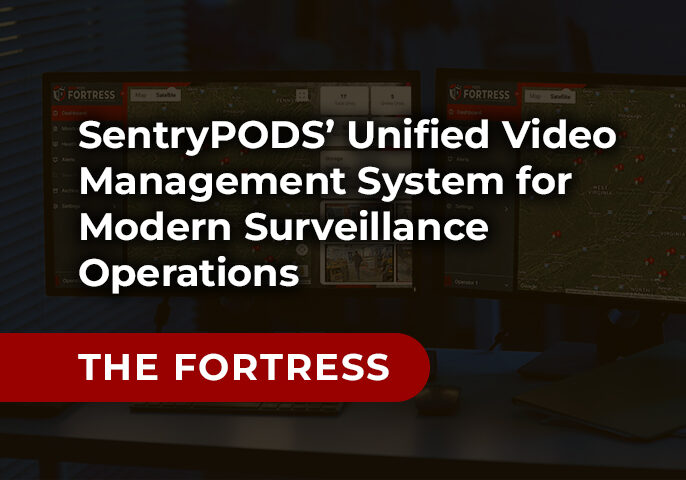
Many Florida builds operate from temporary setups without grid access, especially in coastal or disaster-recovery areas. SentryPODS systems solve this with autonomous solar-battery power and cellular or satellite connectivity. Each unit deploys within minutes, offering 360° PTZ coverage and instant AI motion alerts that can be reviewed remotely through The Fortress VMS.
These mobile systems are designed for humid, storm-prone environments, maintaining visibility even during rain, salt spray, or partial shade conditions. Supervisors in Miami, Tampa, or Orlando can monitor multiple sites from a single dashboard, ensuring consistent response capability across wide geographic areas.
Key Advantages for Florida Conditions
- Solar power with weather-sealed battery banks
- AI motion analytics tuned for glare and high humidity
- Two-way audio deterrence to challenge intruders
- Automatic alert routing to multiple devices
- Quick redeployment for short-term rebuild contracts
Why Is AI Detection Important in Florida’s Environment?
Frequent movement from workers, wildlife, and weather can overwhelm traditional motion sensors. AI surveillance filters this noise, focusing on human and vehicle patterns that signal real intrusion. With virtual line-breach rules, Florida contractors can secure perimeters, fuel areas, and trailers without on-site guards.
Because most theft happens overnight or during weather interruptions, intelligent detection ensures that alerts reflect true threats—not routine motion from wind or rainfall.
Operational Benefits
- Reduced false alarms during high winds or storms
- Immediate law-enforcement notification with video evidence
- Lower security staffing costs across multi-county projects
When Does Construction Theft Occur Most Often?
Across Florida, theft frequency spikes during hurricane recovery phases and long weekends. Nighttime hours between 9 p.m. and 4 a.m. remain highest risk. Following major storms, opportunistic theft often occurs before temporary lighting and fencing are re-installed. Extended outages or fuel shortages also correlate with increased diesel siphoning and generator theft.
Timing-Based Prevention Tips
- Deploy surveillance immediately after storm clearance
- Arm AI detection zones before dusk
- Re-verify camera placement weekly during rebuild operations
- Use strobe and siren features to deter approach during blackout periods
How Should Contractors Document Incidents?
Quick digital reporting shortens insurance and police follow-up time. The Fortress VMS automatically embeds time, GPS, and system ID data into every clip, ensuring verified chain of custody. Florida contractors can transmit secure evidence links even while field connectivity is limited.
Evidence Management Guidelines
- Export verified footage within 24 hours
- Maintain a 90-day archive for potential claims
- Log incidents by location, equipment type, and date
What Surveillance Layout Works Best for Florida Sites?
For coastal and inland projects alike, layered coverage is most effective. A single elevated PTZ tower can monitor broad staging areas, while fixed cameras protect high-value zones like fuel storage and tool trailers. LPR units positioned at site entrances capture every vehicle entering or leaving during non-work hours. Systems should be placed on raised foundations to avoid flood or surge damage.
Recommended Configuration Summary
- 1 PTZ camera for panoramic oversight
- 2–3 fixed units at storage and gate areas
- LPR camera at primary access road
- Audio horn tied to AI alert triggers
- Solar-battery array with 5-day reserve capacity
Can Florida’s Construction Theft Problem Be Controlled?
Yes. Combining mobile, AI-driven surveillance with consistent operational discipline gives contractors the visibility needed to deter theft before it occurs. SentryPODS’ wire-free systems help maintain security even during outages or storm recovery, turning vulnerable work zones into monitored, documented environments. As Florida’s infrastructure expands, proactive surveillance will remain the key to protecting time, equipment, and reputation.
Explore construction camera systems and wire-free monitoring options tailored for Florida’s demanding coastal and inland construction projects.
Construction Crime Trends Across The USA
- Alabama Construction Crime Trends
- Alaska Construction Crime Trends
- Arizona Construction Crime Trends
- Arkansas Construction Crime Trends
- California Construction Crime Trends
- Colorado Construction Crime Trends
- Connecticut Construction Crime Trends
- Delaware Construction Crime Trends
- Florida Construction Crime Trends
- Georgia Construction Crime Trends
- Hawaii Construction Crime Trends
- Idaho Construction Crime Trends
- Illinois Construction Crime Trends
- Indiana Construction Crime Trends
- Iowa Construction Crime Trends
- Kansas Construction Crime Trends
- Kentucky Construction Crime Trends
- Louisiana Construction Crime Trends
- Maine Construction Crime Trends
- Maryland Construction Crime Trends
- Massachusetts Construction Crime Trends
- Michigan Construction Crime Trends
- Minnesota Construction Crime Trends
- Mississippi Construction Crime Trends
- Missouri Construction Crime Trends
- Montana Construction Crime Trends
- Nebraska Construction Crime Trends
- Nevada Construction Crime Trends
- New Hampshire Construction Crime Trends
- New Jersey Construction Crime Trends
- New Mexico Construction Crime Trends
- New York Construction Crime Trends
- North Carolina Construction Crime Trends
- North Dakota Construction Crime Trends
- Ohio Construction Crime Trends
- Oklahoma Construction Crime Trends
- Oregon Construction Crime Trends
- Pennsylvania Construction Crime Trends
- Rhode Island Construction Crime Trends
- South Carolina Construction Crime Trends
- South Dakota Construction Crime Trends
- Tennessee Construction Crime Trends
- Texas Construction Crime Trends
- Utah Construction Crime Trends
- Vermont Construction Crime Trends
- Virginia Construction Crime Trends
- Washington Construction Crime Trends
- West Virginia Construction Crime Trends
- Wisconsin Construction Crime Trends
- Wyoming Construction Crime Trends