How Organized Theft Rings Are Targeting Construction Projects in Washington
Construction Crime Trends in Washington
Washington’s expanding economy—driven by infrastructure, ports, and renewable energy—has seen a significant increase in construction site theft. Contractors from Seattle to Spokane report frequent losses of tools, copper wiring, and generators from job sites both urban and remote. The National Insurance Crime Bureau lists Washington among western states with high construction equipment theft rates, attributed to urban density, high material value, and complex supply routes that make stolen goods difficult to trace.
Projects along I-5, I-90, and coastal transport corridors have been particularly affected. Thieves target unlit staging areas, storage trailers, and unpowered renewable sites, often operating during overnight hours or weekends when security coverage is minimal.
Why Is Construction Theft Rising in Washington?
Washington’s rapid industrial expansion—especially in Seattle’s tech corridor, Tacoma’s port infrastructure, and renewable developments in eastern counties—has outpaced available security measures. Temporary or unpowered worksites are common, and crews frequently rotate across multiple active zones. These conditions create predictable windows of opportunity for theft.
High copper prices and the resale market for generators and diesel have also made job sites across the state attractive targets. Dense traffic networks make it easy for thieves to move stolen equipment through multiple jurisdictions before detection.
Key Drivers of the Trend
- Rapid growth in port and infrastructure construction
- High density of unguarded staging sites
- Rising fuel and copper resale prices
- Interstate access allowing quick transport of stolen materials
- Limited overnight patrol resources
Which Regions Face the Highest Risk?
Seattle and Tacoma record the most theft reports due to large-scale construction near ports and commercial zones. Spokane and Tri-Cities see increasing theft tied to logistics and renewable energy projects. Rural eastern regions experience fewer thefts but higher average losses per event due to isolation and long response times.
Regional Overview
- Seattle – copper and tool theft from infrastructure and high-rise projects
- Tacoma – generator and trailer theft near port construction sites
- Spokane – compressor and wiring theft from logistics and utility projects
- Tri-Cities – fuel and equipment theft from renewable energy builds
What Equipment and Materials Are Most Targeted?
Portable, high-value equipment remains the primary target. Generators, compressors, copper wiring, and diesel storage tanks lead reported losses. The mix of dense urban and remote energy construction makes Washington a dual-risk environment where both opportunistic and organized theft are common.
Frequent Targets and Recommended Countermeasures
| Asset | Threat | Recommended Surveillance |
|---|---|---|
| Generators | Towed or removed overnight | PTZ camera with 360° AI coverage |
| Copper wiring | Cut and stripped for resale | Thermal camera with perimeter analytics |
| Fuel tanks | Siphoning and puncture theft | Fixed camera with motion-triggered lighting |
| Tool trailers | Forced entry from side access points | AI breach detection aimed at gates and perimeters |
How Can Contractors Protect Sites Without Power?
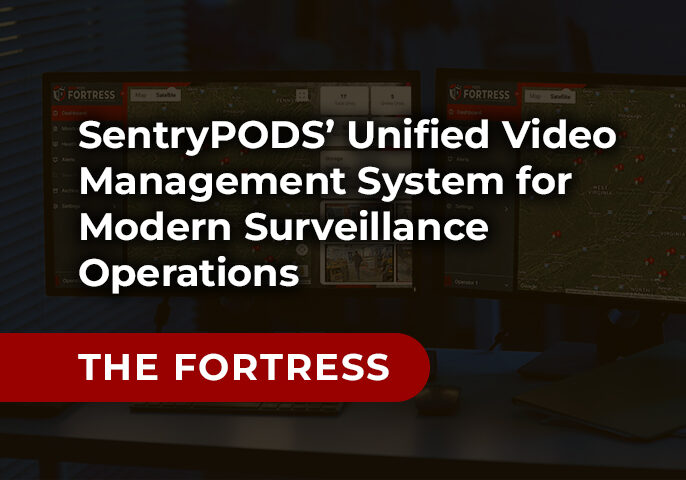
Many Washington projects—especially in renewable and infrastructure sectors—operate without permanent power during early stages. SentryPODS solar-battery systems deliver 360° PTZ coverage and AI-based intrusion alerts accessible through The Fortress VMS. These systems function reliably through rain, fog, and low light, providing consistent monitoring for both urban and rural construction zones.
Contractors deploy these autonomous units across job sites statewide, ensuring visibility without the need for trenching, generators, or dedicated power feeds.
Advantages for Washington Conditions
- All-weather solar-battery reliability in rain and fog
- AI motion filtering to reduce false alerts from traffic or light
- Two-way audio deterrence for real-time response
- GPS-tagged, timestamped footage for verified evidence
- Mobile deployment adaptable to multiple active projects
Why Is AI Detection Critical in Washington’s Climate?
Frequent weather variation—fog, rain, and shifting light—makes traditional sensors unreliable. AI-driven analytics differentiate between environmental movement and genuine intrusion. Virtual line-breach zones protect critical areas like tool yards, fuel stations, and storage trailers, minimizing false alarms while maintaining continuous awareness.
This technology is particularly effective in port and highway environments, where constant activity would otherwise overwhelm older motion-based systems.
Operational Benefits
- Reduced false alarms caused by weather or lighting
- Faster incident verification through The Fortress VMS
- Secure cloud storage for investigation and claims
When Does Construction Theft Occur Most Often?
Theft incidents peak between 9 p.m. and 4 a.m. in both metro and rural areas. Seattle and Tacoma see steady weeknight theft tied to commercial projects, while eastern renewable and utility sites face weekend or weather-delay incidents. Storm-related shutdowns also correlate with increased theft when equipment remains unattended.
Timing-Based Prevention Measures
- Arm AI surveillance systems before shift end
- Relocate mobile towers every 10–14 days
- Maintain lighting near road-facing access points
- Audit alerts weekly to detect recurring activity patterns
How Should Contractors Manage Evidence?
The Fortress VMS timestamps all alerts with GPS coordinates and device identifiers. Cloud backups protect footage from loss due to damage or theft, allowing verified clips to be exported for insurance or law enforcement within minutes.
Evidence Management Guidelines
- Export verified footage within 24 hours
- Maintain 90-day rolling cloud archives
- Tag incidents by project and asset category
What Surveillance Layout Works Best for Washington Projects?
Port and industrial sites perform best with one PTZ tower for wide-area coverage and two or three fixed cameras at gates, perimeters, and staging areas. LPR cameras near entry points capture vehicle identification for investigative use. Elevated mounting ensures coverage over stacked materials and uneven ground.
Recommended Configuration Summary
- 1 PTZ tower for panoramic monitoring
- 2–3 fixed cameras for gates and storage areas
- LPR camera for vehicle tracking
- Audio horn linked to AI breach alerts
- Solar-battery reserve for five days of operation
Can Washington Contractors Reduce Construction Theft?
Yes. AI-driven, solar-powered surveillance provides Washington contractors with dependable protection in all weather and terrain conditions. Verified alerts, real-time access, and secure cloud evidence deter organized theft while maintaining full operational visibility. For a state balancing heavy industry and sustainability, autonomous surveillance systems are becoming a core safeguard for modern construction.
Learn more about construction site camera systems and wire-free surveillance solutions designed for Washington’s port, industrial, and renewable construction environments.
Construction Crime Trends Across The USA
- Alabama Construction Crime Trends
- Alaska Construction Crime Trends
- Arizona Construction Crime Trends
- Arkansas Construction Crime Trends
- California Construction Crime Trends
- Colorado Construction Crime Trends
- Connecticut Construction Crime Trends
- Delaware Construction Crime Trends
- Florida Construction Crime Trends
- Georgia Construction Crime Trends
- Hawaii Construction Crime Trends
- Idaho Construction Crime Trends
- Illinois Construction Crime Trends
- Indiana Construction Crime Trends
- Iowa Construction Crime Trends
- Kansas Construction Crime Trends
- Kentucky Construction Crime Trends
- Louisiana Construction Crime Trends
- Maine Construction Crime Trends
- Maryland Construction Crime Trends
- Massachusetts Construction Crime Trends
- Michigan Construction Crime Trends
- Minnesota Construction Crime Trends
- Mississippi Construction Crime Trends
- Missouri Construction Crime Trends
- Montana Construction Crime Trends
- Nebraska Construction Crime Trends
- Nevada Construction Crime Trends
- New Hampshire Construction Crime Trends
- New Jersey Construction Crime Trends
- New Mexico Construction Crime Trends
- New York Construction Crime Trends
- North Carolina Construction Crime Trends
- North Dakota Construction Crime Trends
- Ohio Construction Crime Trends
- Oklahoma Construction Crime Trends
- Oregon Construction Crime Trends
- Pennsylvania Construction Crime Trends
- Rhode Island Construction Crime Trends
- South Carolina Construction Crime Trends
- South Dakota Construction Crime Trends
- Tennessee Construction Crime Trends
- Texas Construction Crime Trends
- Utah Construction Crime Trends
- Vermont Construction Crime Trends
- Virginia Construction Crime Trends
- Washington Construction Crime Trends
- West Virginia Construction Crime Trends
- Wisconsin Construction Crime Trends
- Wyoming Construction Crime Trends